Dana Kavelina
Dana Kavelina (born 1995 in Melitopol; lives in Berlin and Lviv) primarily works with animation and video as well as installation, painting and graphics. She graduated from the Graphics Department of the National Technical University of Ukraine. Her work often explores military violence and war in relation to the position of the victim as a political subject as well as the distance between historical and individual trauma, memory and misrepresentation. Her 2020 film “Letter to a Turtledove” was acquired by the Museum of Modern Art in New York and included in the exhibition “Signals: How Video Transformed the World”. Kavelina’s works were presented at, amongst others, the Kyiv Biennial, the 60th Venice Biennial, the M HKA Antwerp and the festival steirischer herbst 2022 and 2023. She is the winner of the main prize of the 7th edition of the PinchukArtCentre Prize, shortlisted for the Future Generation Art Prize 2024.
It cannot be that nothing can be returned
2022,
Video, 52’
It cannot be that nothing can be returned is a science-fiction film depicting a utopian future and imagining what Ukraine might look like after the war. The citizens of the future try to understand why the violence took place and start to create a comprehensive computer model of history. They attempt to restore the lost equality of both the past and the future, in the process beginning to resurrect everyone who died in Russian attacks. Since prolonged collective grief is the only way to heal the wounds of those they bring back to life, they start to collect traumatic memories and share these experiences throughout society. It cannot be that nothing can be returned is an extended poem confronting a distorted reality with a holistic utopian view of the future. Focusing on empathy and coexistence, the work attempts to reconcile conflicting memories in a world in which the dead can «live» again on an essentially equal footing with everything else around them. The video was first presented in 2022 at PinchukArtCentre in Kyiv, a setting that looked like the headquarters of activists from the future, full of banners and placards, including one that proclaimed «Resurrection for everyone.»
Augarten Contemporary, hoast, IG Architektur, Laurenz, Neuer Kunstverein Wien, Never At Home, Waffen Franz Kapfer, New Jörg, Ve.Sch
October 17–December 17
Main Exhibition
Curators: Serge Klymko, Hedwig Saxenhuber and Georg Schöllhammer
The Order of Neat Beds
2020/2024,
Video installation, sizes variable, 13:30 min
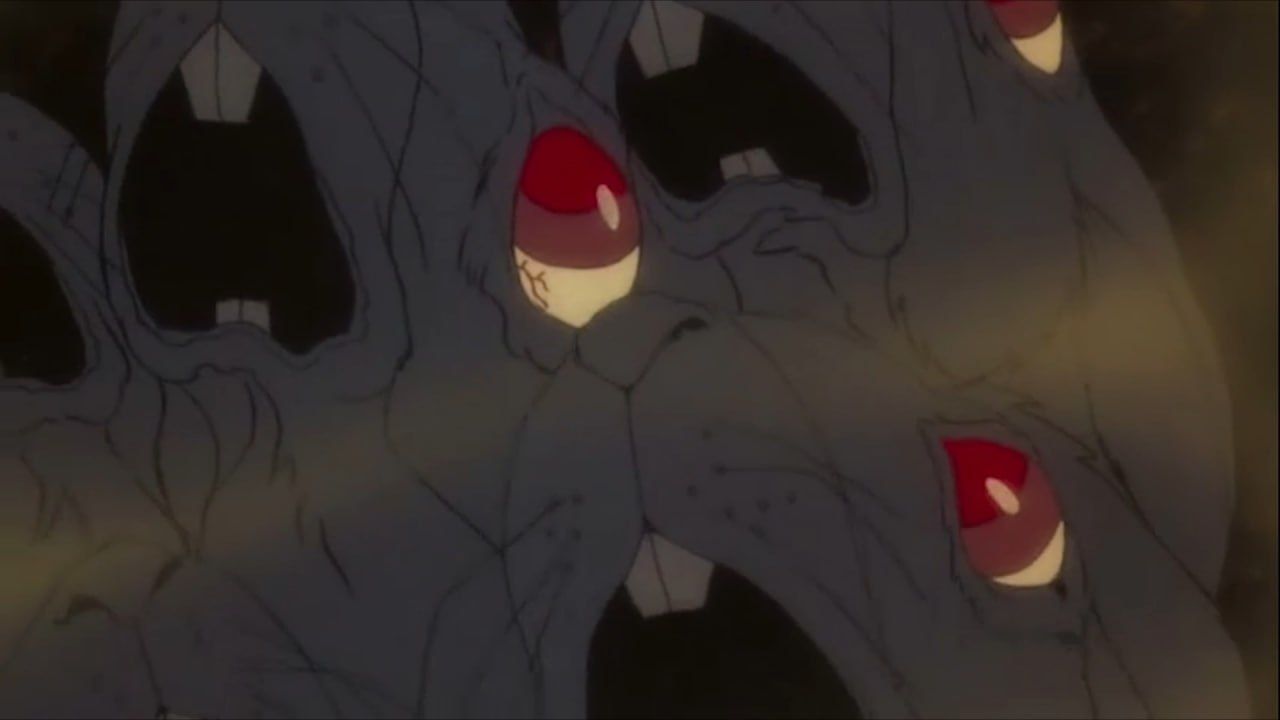
The film The Order of Neat Beds is a fragment of a large- scale work by Dana Kavelina, the installation entitled The Room of Lyolya Efremova (2020). Installed in an actual apartment, it “reproduced” the living room of a fictional character, a young artist who has committed suicide. In addition to furniture and household objects, the room contained books, drawings and paintings, a diary and a computer with personal files that could be browsed. The Order of Neat Beds in its original length and form was stored on this laptop as a “farewell film”, to be viewed perhaps as a message left by the fictional character before her self-inflicted death. For A Time in Pieces, Kavelina has selected and rearranged two fragments of the film. Taken out of the larger context of the installation and the original narrative itself, the film remains a testimony to a story that both happened and not, echoing through a liminal space. In a manner reminiscent of Frankenstein, the “body” of the film is patched together from fragments of other films, TV shows and personal videos detached from their original sound and narrative. Linked by the narrator’s voice and the hymns of Hildegard von Bingen, they are reassembled together with spoken text in order to present an argument in favour of renunciation and obscurity and create spaces of transfiguration.

Between Bridges, daadgalerie
May 24–July 27
A Time in Pieces
Curated by Serge Klymko and Viktor Neumann