Hamlet Lavastida
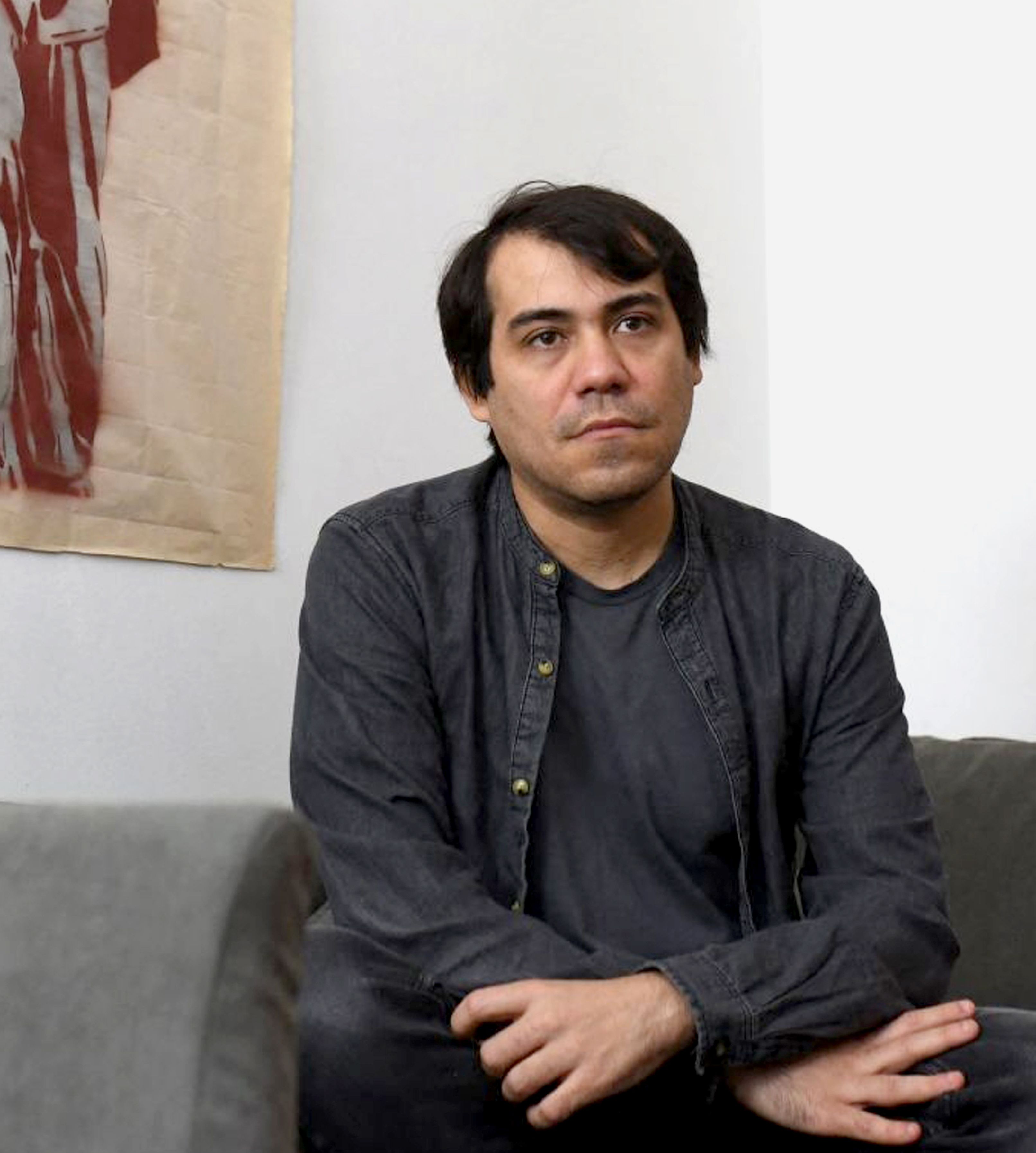
Hamlet Lavastida (1983. b. Havana, Cuba) is a multidisciplinary artist, based in Berlin. Lavastida’s studied painting at the Academy of Fine Arts San Alejandro in Havana and the Higher Institute of Art (ISA). Central to Lavastida’s artistic practice is the re-appropriation of political terminologies, speeches, icons and symbols that has is origins in soviet type systems. Issues such as cultural policies, design, public sphere and historiography are addressed by using different medias such video, collage, drawing, public interventions and installation. His work reconstructs Cuban political and military propaganda as an exercise to understand the relevance of memory and historic falsifications into today’s political narratives. He has exhibited in several museums and institutions, among others Documenta 15 (Kassel, Germany); Museo Nacional Centro de Arte Reina Sofía (Madrid, España); Kunstlerhaus Bethanien (Berlin, Germany); Center of Contemporary Art Łaźnia (Gdańsk, Poland); Center of Contemporary Art, Zamek Ujazdowski (Warsaw, Poland).
Prison de Kilo 9
2022,
Paper-cut on paper
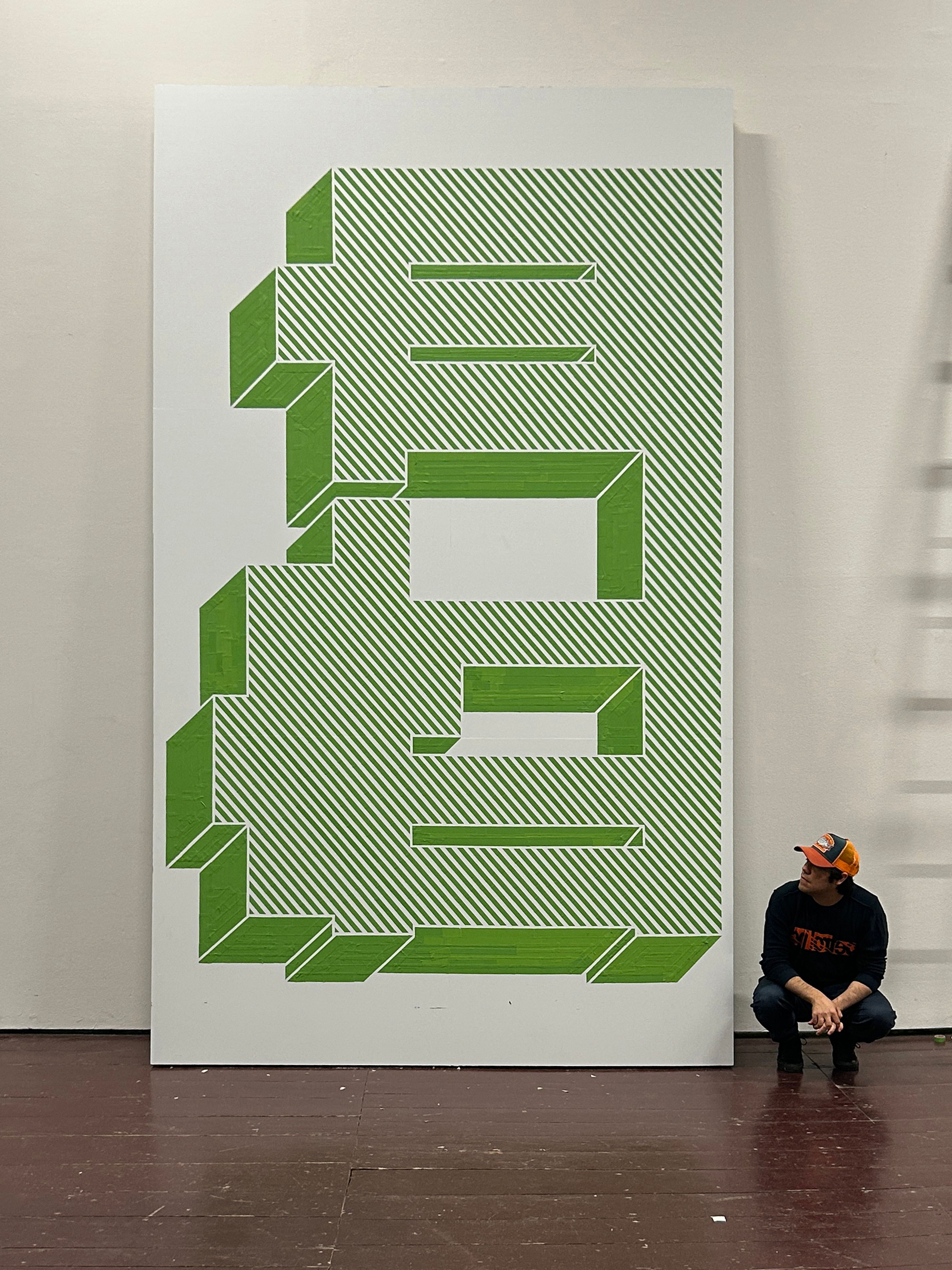
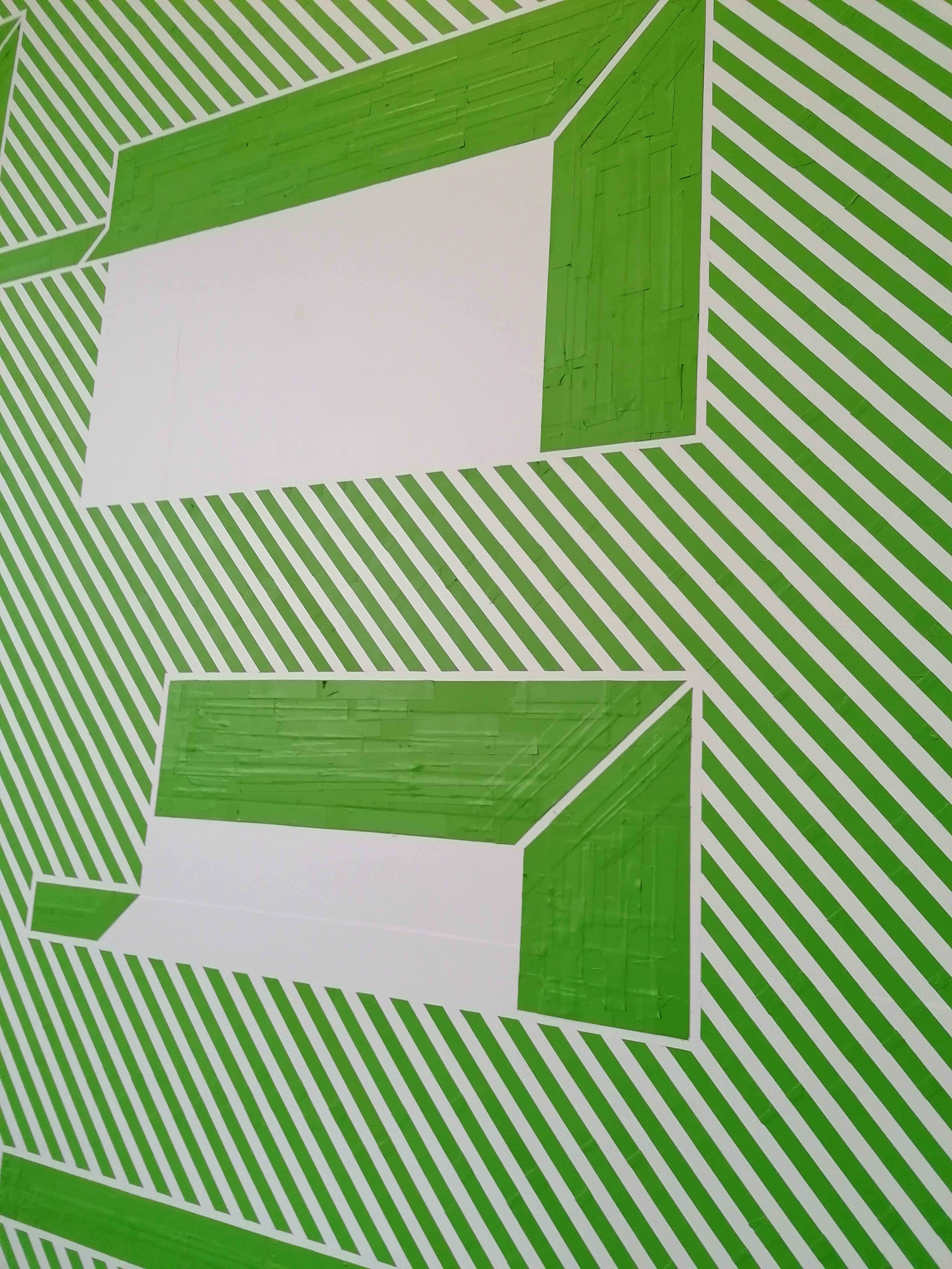
2018 saw enormously heightened repression against artists in Cuba. With a view to forcing artists to obtain official permission before any public presentation, the government issued a new law: Decree 349 was vehemently criticized and sparked demonstrations in December 2018 calling for it to be renegotiated. As the talks failed, Hamlet Lavastida, artist and political activist, founded the 27-N democracy movement, which led to large mass protests in Cuba. Upon his return from a residency in Berlin, he was arrested, brutally interrogated for three months in the notorious Villa Marista prison, and subsequently forced to flee into exile. In his art, Lavastida processes his experiences as a political prisoner, as well as the propagandistic visual language of totalitarian systems, which he appropriates, dismantles, and charges with new content. His Prison series is grounded in abstract structures reminiscent of floor plans with sometimes very complex structures. The works are based on aerial photographs of the many secret prisons and re-education camps in Cuba, which Lavastida researched to render visible the massive state machinery of repression, which names the prisons according to their distance from the nearest city, for example, as Prison de Kilo 9. (Christa Benzer)

Augarten Contemporary, hoast, IG Architektur, Laurenz, Neuer Kunstverein Wien, Never At Home, Waffen Franz Kapfer, New Jörg, Ve.Sch
October 17–December 17
Main Exhibition
Curators: Serge Klymko, Hedwig Saxenhuber and Georg Schöllhammer